Choose a game and pull up a seat
Cooperative video games from the couch and light board games around long tables, taught by mentors who never rush a first-timer.
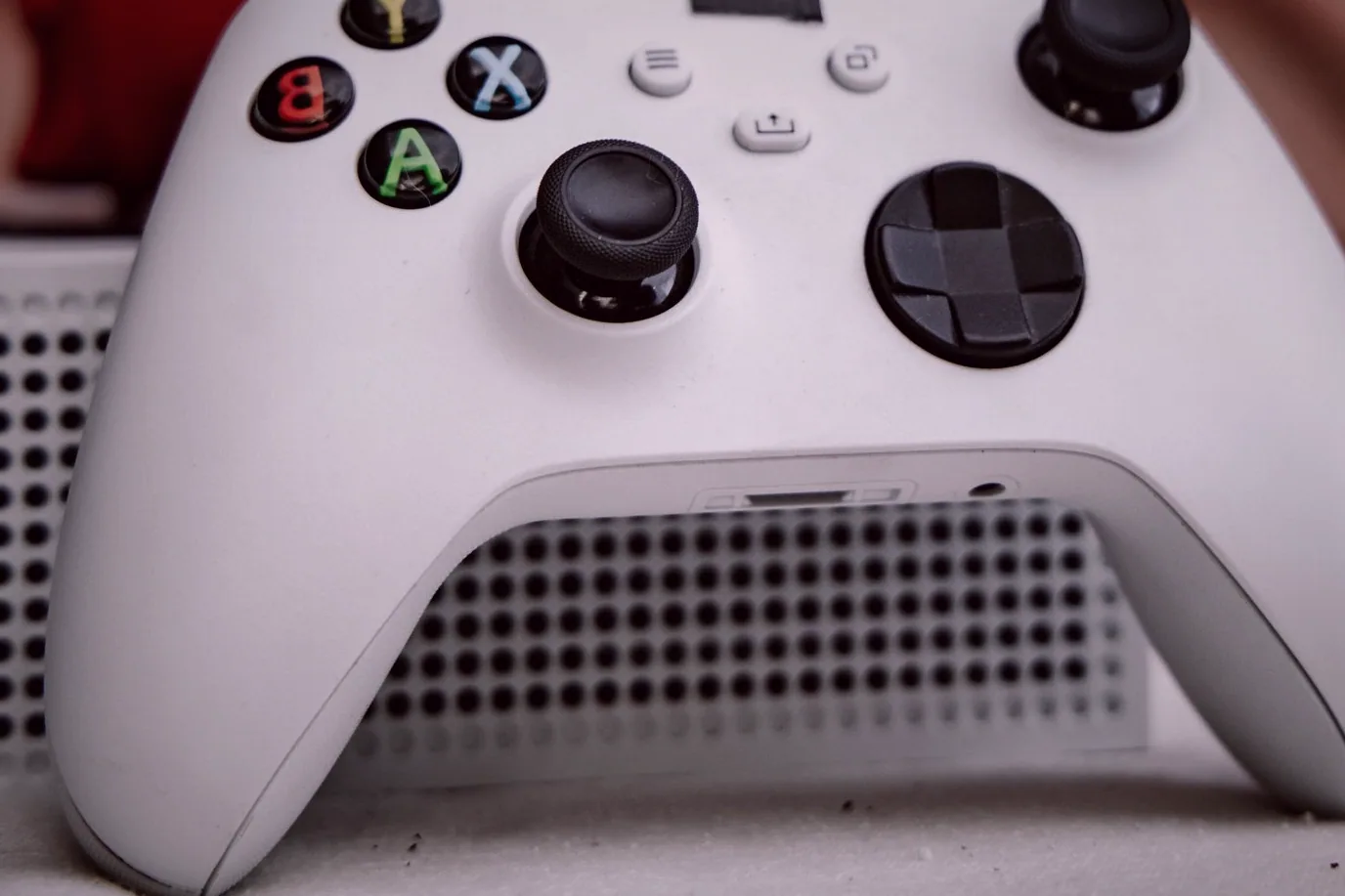
Take the controller and share it

The screen side of the club is built around cooperative play. A story campaign suits three people on a couch because the plot belongs to all of them; a puzzle level suits two because one person can read the clues while the other works the controls. Everybody ends the night with something they finished together.
Because the group is mixed, mentors choose carefully. They look for games with forgiving controls, generous checkpoints and a difficulty setting that can change halfway through. Nobody is asked to win, and nobody is asked to be fast. A character that falls off a ledge for the fifth time simply becomes the evening's running joke.
Once or twice a season we also set up several gaming PCs and a console corner for people who prefer to play side by side across a local network. Those evenings stay gentle and are announced well beforehand, so nobody arrives expecting something louder than they enjoy.
Between visits the same people often meet on the club's chat server, which is moderated and kept friendly. It is a place to arrange a Tuesday, ask what a mechanic means, or find a partner for an online session in the Oceania region, where ping is rarely a problem.
Mentors keep one simple habit that makes a large difference. Before any game begins they ask the room which of three things matters most tonight: finishing the story, laughing as loudly as possible or learning the controls. The answer shapes the choice of game, and it means that the quietest person present has as much say as the loudest.
Story campaigns
Three players, one plot, and nobody left behind.
Puzzle pairs
One reads the clues while the other holds the controller.
Party games
Simple rules, loud laughter and very short rounds.
Split-screen racing
Friendly laps where finishing last is part of the fun.
Build-and-survive co-op
Slow projects shared across a whole evening.
Sit down and learn the rules as you play
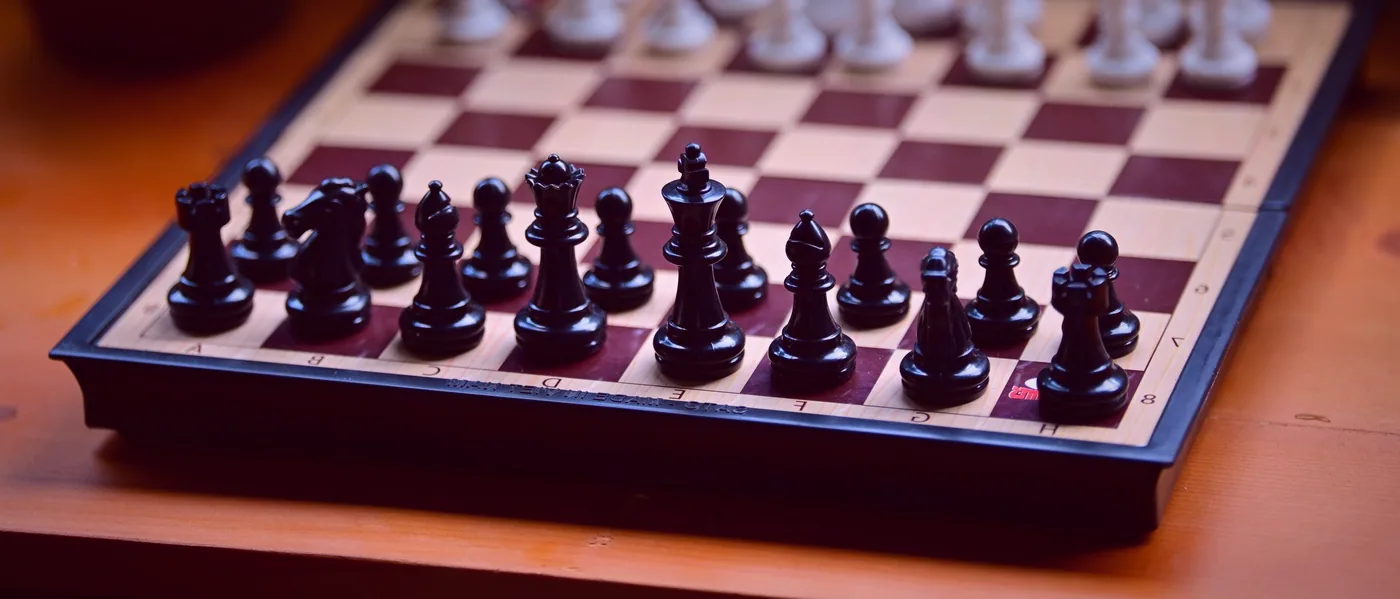
The tables are where the quieter hours of the evening are spent. We favour light board games, often called gateway games, because their rules can be taught in minutes and their rounds finish quickly. A mentor teaches by playing the first round with all the cards face up, which removes most of the nervousness at once.
Tile-laying games let a group build a map piece by piece, route-building games reward patience and a little planning, and set-collection games ask little more than a good eye. Cooperative board games, in which the whole table plays against the game itself, are a particular favourite of people who dislike beating their friends.
Our shelf grows through donations and the occasional swap. Every box is checked for missing pieces before it is lent, and a card pinned inside the lid tells you how long the game takes, how many players it suits and how complicated it feels on a scale of one to five.
Anyone may bring their own favourite and teach it to the table. Mentors are glad to help with the teaching, and if the game turns out to be a little too heavy for a first visit, it is kept for a later night when the room has had time to warm up.
The shelf also holds a few games kept deliberately for the end of the evening: short, silly and easy to join halfway through. They are the games that turn a group of strangers who arrived at six into a group who are teasing one another at ten, and the mentors know exactly when to bring them out.
Tile-laying
Build the map together, one piece at a time.
Route-building
Link the stations before the other team does.
Cooperative boxes
The whole table plays against the game itself.
Set collection
Quiet, clever and kind to a first-timer.
Games in progress